“How many of you know what’s *really* in your games?”
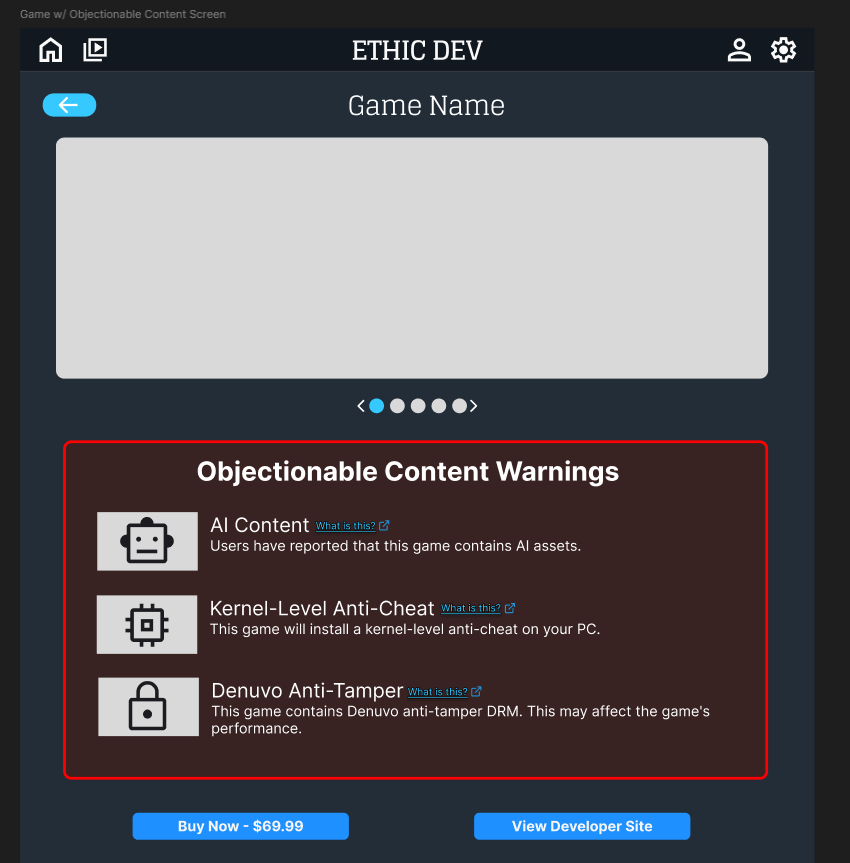
Ethic Dev is a storefront centered around development transparency, grading games based on ethical development practices, and showing our results to consumers in an easily-digestible way. This was a design exercise in consumer and labour advocacy. We’re advocating for fully human labour and treating legitimate consumers fairly, and we’re doing it through consumer awareness.
This idea was created at a time when LLMs were becoming more sophisticated, and the threats of AI-generated art were growing. Activision had recently come under fire for its use of AI art in Call of Duty: Black Ops 7, and that’s where this idea started.
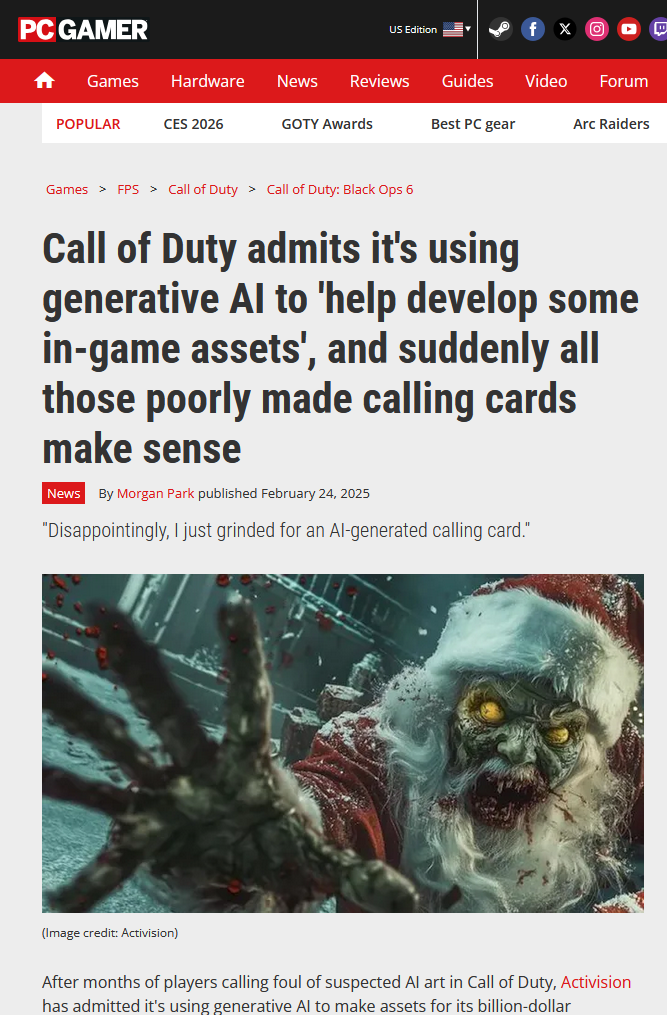
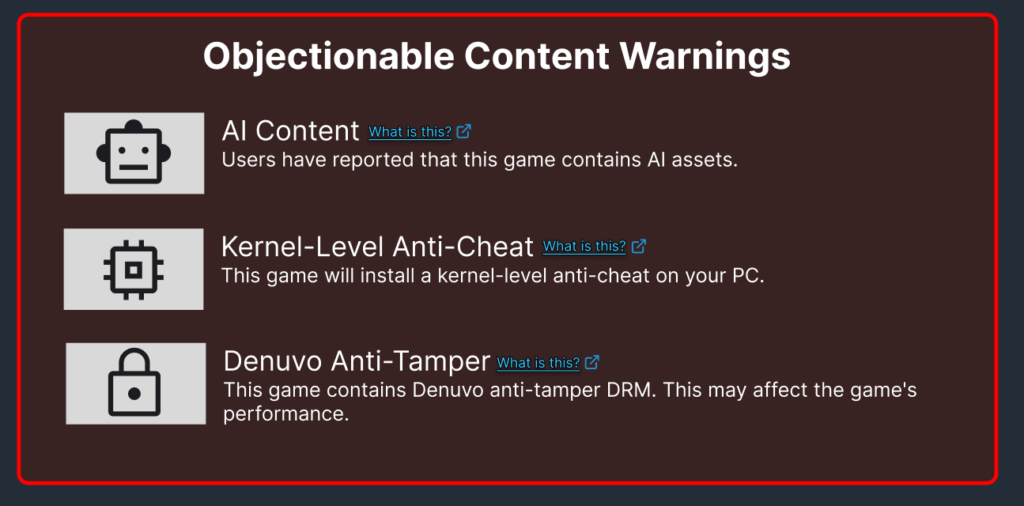
From there, we scoured the internet for research, with this one question in mind: what other grievances do people have with video games outside of the game itself? From our research, we came to a core 3: AI art (the original idea), anti-consumer DRM schemes, and Kernel-Level Anti-Cheats.
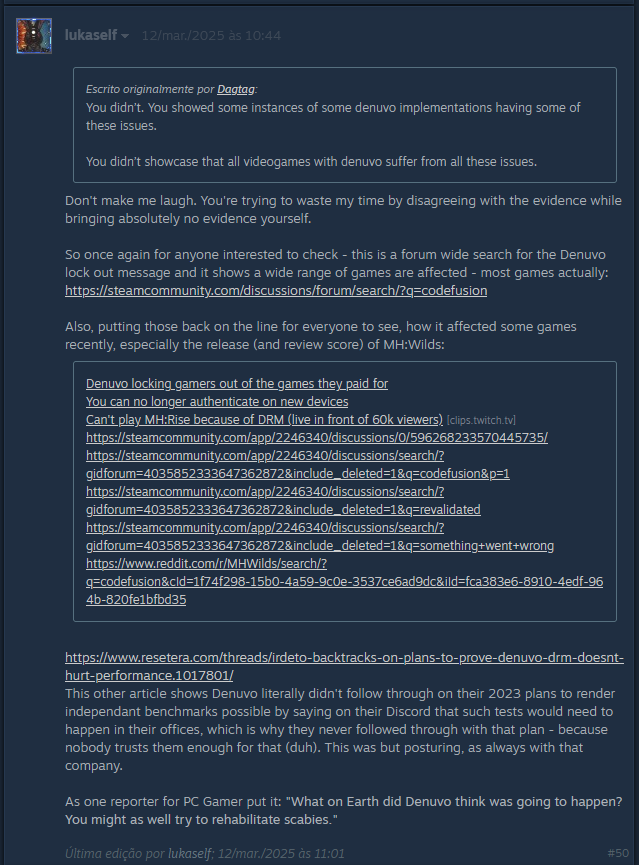


As we kept exploring, we’ve seen a lot of comments and posts all over social media about how people hated these practices, they’re the ones calling out the inherent anti-consumer nature of certain technologies, and the anti-labour nature of replacing human artists with AI. But we noticed a stark contrast when we sat down with people that were even just a bit less tech-savvy: they didn’t know what specific terms *really* meant. Some of them may have heard of these terms before, but they were unaware or never thought of the consequences; they felt they were just simply buying a video game with side effects. They don’t know what they’re installing on their computers, or the production workflow of their games.
Although some video game storefronts have certain declarations attached to them, we didn’t feel existing they did enough to show these extra “gotchas” in a conspicuous manner. They were placed after descriptions and buy buttons, or in sidebars, places that, according to research, people don’t immediately see.
We took to them and added a twist: instead of simply pushing what’s popular, we inspected games and featured them based on their development ethics. It was about taking unethical development practices and presenting them in a way that consumers would understand.
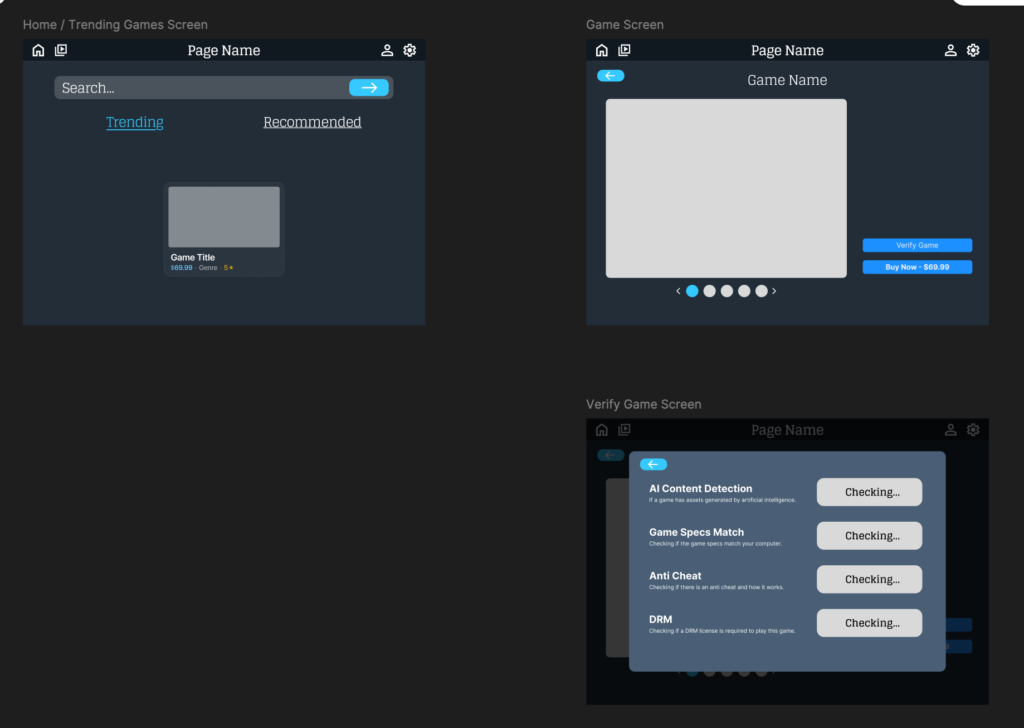
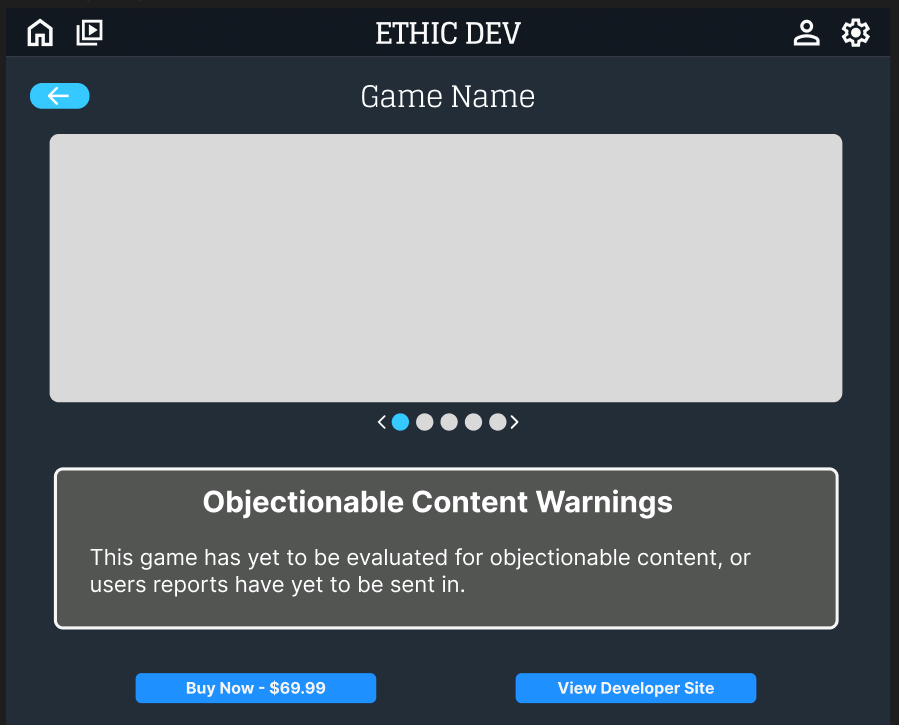
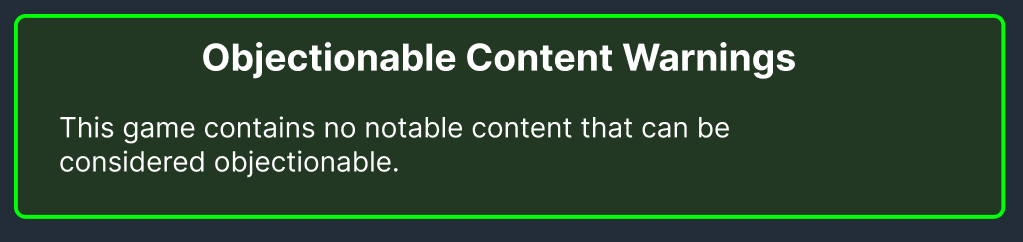
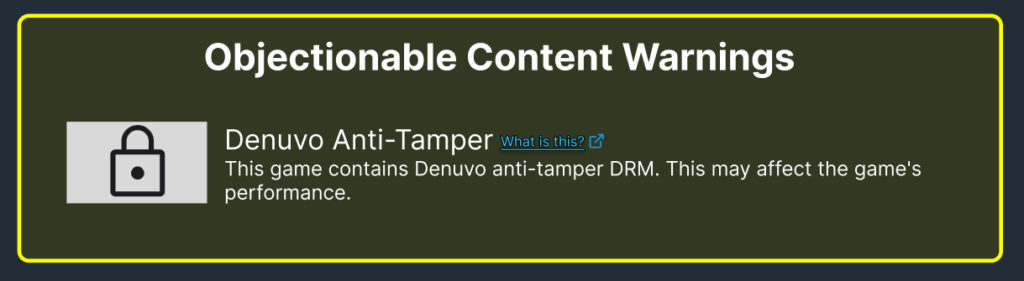
Our initial plan was simply to make it easy for the user to know whether the games they want to buy have what we called “objectionable content”. However, we didn’t feel as this was enough to properly educate consumers and to grab their attention. No one wants to click on a button for more info, they just want their game. So we devised a new system: we graded games based on an unambiguous colour scale, based on a game’s development ethics and how fairly consumers were being treated: green if nothing’s found, yellow for some questionable content, red for heavy use of AI or anti-consumer technologies. We don’t sugarcoat anything – we tell people exactly what they are buying by educating them on what all the terms mean, and what their impact is.
To top it off, we took what we knew about f-processing and placed all the objectionable content before any buy button or description. This way, people would be better informed about what they are buying, and what they’re supporting.
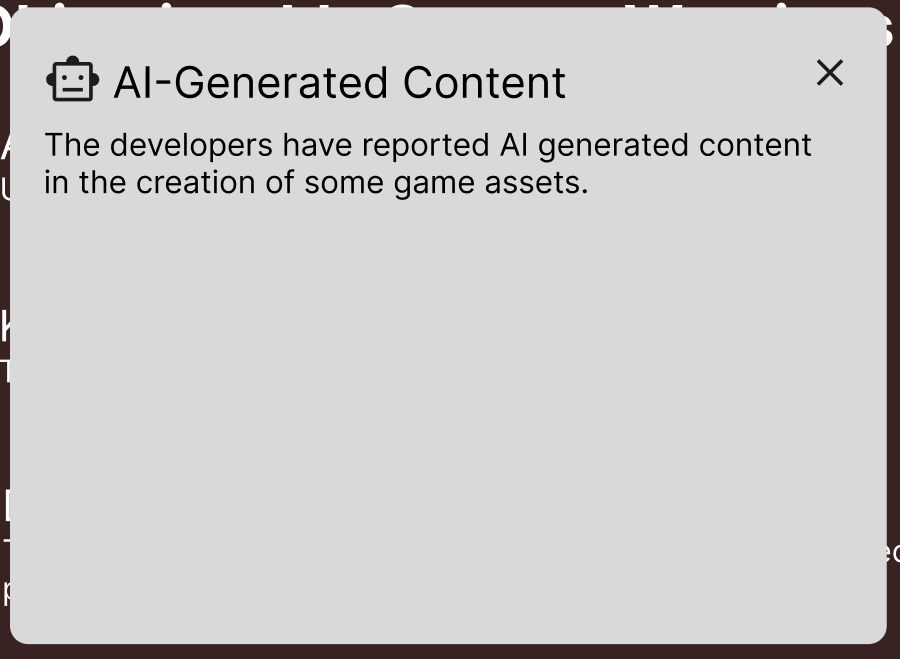

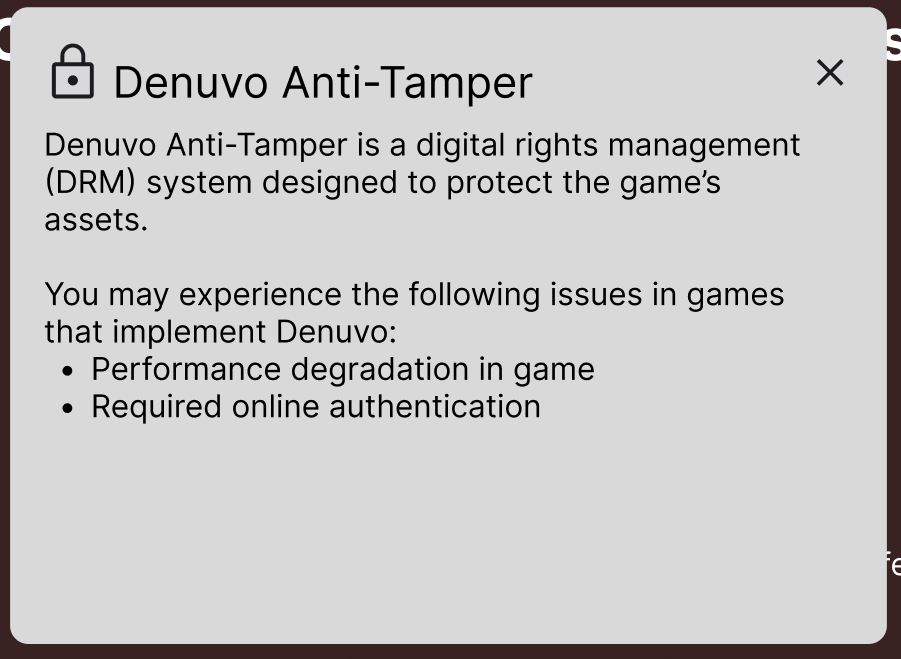
Part of this assignment was to create a mock social media awareness campaign. Ours was simple: “Are you *actually* aware of what’s really in your games? Do you value pro-consumer and ethical development practices (like having fully human artists)? Here, learn more about what your games have and what exactly everything means.”
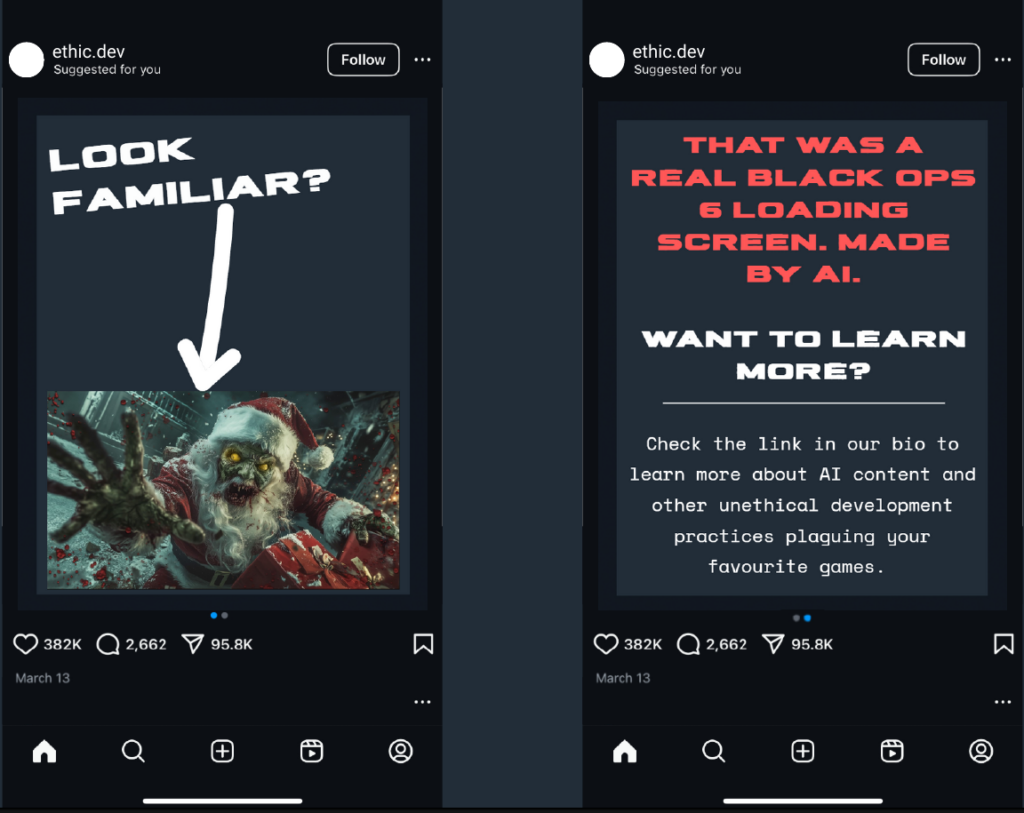
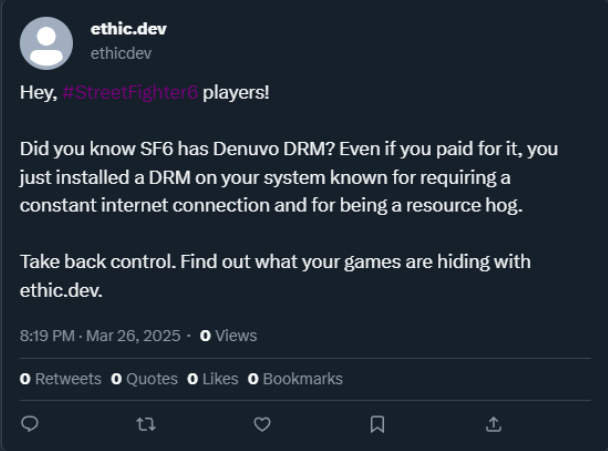
Unethical development practices, we feel, harm unsuspecting consumers. Ethic Dev, therefore, is a concept devised as a way to educate consumers and keep game developers accountable through smarter interface design.